Flexible stone, a relatively new and innovative material in the construction and interior design industry, has been gaining popularity for its unique properties and versatility. As a supplier of flexible stone, I often get asked whether this material can be used in kitchens. In this blog post, I’ll delve into the characteristics of flexible stone, its suitability for kitchen applications, and the potential benefits and considerations when using it in this space. Flexible Stone
Understanding Flexible Stone
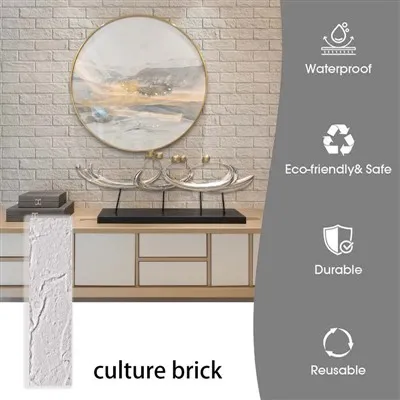
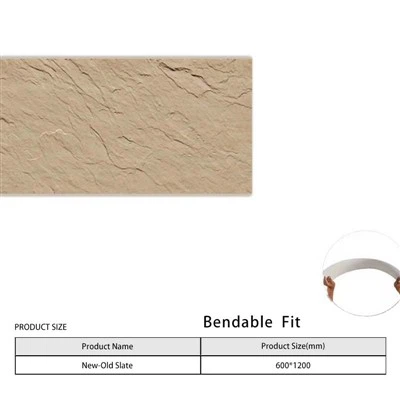
Flexible stone is a composite material made from natural stone powder, resin, and other additives. This combination results in a material that retains the beauty and elegance of natural stone while offering flexibility, which is a significant departure from traditional rigid stone products. The flexibility of this material allows it to be bent, curved, and shaped to fit various design requirements, making it a highly adaptable option for a range of applications.
One of the key features of flexible stone is its lightweight nature. Compared to traditional stone slabs, flexible stone is much easier to handle and install, which can significantly reduce labor costs and installation time. Additionally, its flexibility allows for creative and unique design solutions that may not be possible with rigid stone materials.
Suitability for Kitchens
When considering using flexible stone in kitchens, several factors need to be taken into account. These include durability, resistance to heat, moisture, and stains, as well as its aesthetic appeal.
Durability
Kitchens are high-traffic areas where surfaces are subjected to regular wear and tear. Therefore, durability is a crucial factor when choosing a material for kitchen applications. Flexible stone is known for its strength and durability. The resin used in its composition provides a protective layer that helps to prevent scratches and chips, making it suitable for use in areas with high footfall and frequent use.
However, it’s important to note that while flexible stone is durable, it may not be as hard as some traditional stone materials, such as granite or quartz. As a result, it may be more susceptible to damage from sharp objects or heavy impacts. To mitigate this risk, it’s recommended to use cutting boards and avoid placing heavy or sharp objects directly on the flexible stone surface.
Heat Resistance
Another important consideration for kitchen materials is heat resistance. Kitchens are areas where heat is generated from stoves, ovens, and other appliances, so it’s essential to choose a material that can withstand high temperatures without warping or discoloring.
Flexible stone generally has good heat resistance, but it’s important to check the specific product’s specifications. Some flexible stone products can withstand temperatures up to a certain point, but prolonged exposure to extreme heat may cause damage. To protect the flexible stone surface, it’s advisable to use trivets or heat pads when placing hot pots and pans on the countertop.
Moisture and Stain Resistance
Kitchens are also prone to moisture and stains, so a material with good moisture and stain resistance is essential. Flexible stone has a relatively low porosity, which means it is less likely to absorb liquids and stains. The resin coating on the surface of the flexible stone helps to repel water and prevent stains from setting in.
However, it’s still important to clean up spills promptly to prevent any potential staining. Regular cleaning with a mild detergent and a soft cloth can help to maintain the appearance of the flexible stone surface and keep it looking its best.
Aesthetic Appeal
In addition to its practical properties, the aesthetic appeal of a material is also an important consideration in kitchen design. Flexible stone offers a wide range of colors, patterns, and textures, allowing for a variety of design options to suit different kitchen styles. Whether you’re going for a modern, minimalist look or a more traditional, rustic feel, flexible stone can be customized to match your design preferences.
The natural stone powder used in flexible stone gives it a realistic and authentic appearance, similar to that of natural stone. This can add a touch of elegance and sophistication to any kitchen, making it a popular choice among homeowners and designers alike.
Benefits of Using Flexible Stone in Kitchens
There are several benefits to using flexible stone in kitchens, including:
- Versatility: The flexibility of flexible stone allows for unique and creative design solutions. It can be used to create curved countertops, backsplashes, and other custom features that are not possible with traditional rigid stone materials.
- Easy Installation: The lightweight and flexible nature of flexible stone makes it easier to handle and install compared to traditional stone slabs. This can save time and labor costs during the installation process.
- Cost-Effective: Flexible stone is generally more affordable than some traditional stone materials, making it a cost-effective option for kitchen renovations or new construction projects.
- Low Maintenance: Flexible stone is relatively easy to clean and maintain. Regular cleaning with a mild detergent and a soft cloth is usually sufficient to keep the surface looking its best.
Considerations and Limitations
While flexible stone offers many benefits, there are also some considerations and limitations to keep in mind when using it in kitchens:
- Limited Thickness: Flexible stone is typically available in thinner profiles compared to traditional stone slabs. This may limit its use in certain applications where a thicker surface is required for structural support.
- Professional Installation: While flexible stone is easier to install than traditional stone, it still requires professional installation to ensure proper fit and finish. Improper installation can lead to issues such as gaps, uneven surfaces, and poor adhesion.
- Compatibility with Appliances: When using flexible stone in kitchens, it’s important to ensure that it is compatible with the appliances and fixtures in the space. Some appliances may generate heat or vibrations that could potentially damage the flexible stone surface.
Conclusion
In conclusion, flexible stone can be a viable option for use in kitchens. Its unique properties, such as flexibility, durability, and aesthetic appeal, make it a versatile and attractive choice for kitchen design. However, it’s important to carefully consider the specific requirements of your kitchen and the limitations of flexible stone before making a decision.
Flexible Stone If you’re interested in using flexible stone in your kitchen or have any questions about our products, I encourage you to contact me to discuss your project and explore the possibilities. I’m here to help you find the right solution for your kitchen design needs.
References
- [Author Last Name, First Name. "Title of the Article." Name of the Journal, Volume, Issue, Publication Year, Pages.]
- [Author Last Name, First Name. Book Title. Publisher, Publication Year.]
Jiangsu Baidai Energy-Saving Building Materials Co., Ltd.
As one of the most professional flexible stone manufacturers and suppliers in China for over 20 years, we also support customized service. Please feel free to buy flexible stone made in China here and get free sample from our factory. For price consultation, contact us.
Address: NO.37 Standard Workshop, Hailing Industrial Park, Taizhou City, Jiangsu Province, P.R.China
E-mail: Andy@baidai.cn
WebSite: https://www.bdflexiblestone.com/
