As a supplier of Wound Fin Stainless Steel Tubes, I’ve had the privilege of witnessing the widespread application and significant advantages of these tubes in various industries. In this blog, I’ll delve into the mass transfer characteristics of Wound Fin Stainless Steel Tubes, sharing insights based on my experience and industry knowledge. Wound Fin Stainless Steel Tube
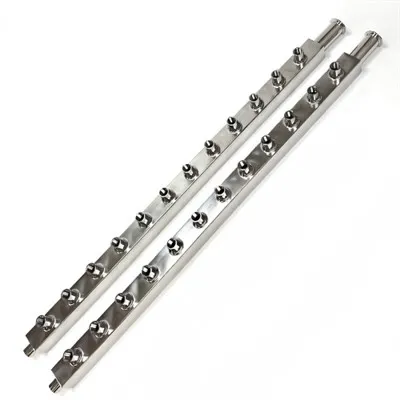
Understanding Wound Fin Stainless Steel Tubes
Wound Fin Stainless Steel Tubes are a type of heat exchanger tube with fins wound around the outer surface of the tube. The fins are typically made of stainless steel, which offers excellent corrosion resistance, high thermal conductivity, and mechanical strength. The winding process allows for a high fin density, which increases the surface area available for heat and mass transfer.
Mass Transfer Mechanisms in Wound Fin Stainless Steel Tubes
Mass transfer is the process of movement of mass from one location to another. In the context of Wound Fin Stainless Steel Tubes, mass transfer occurs primarily through convection and diffusion.
Convection
Convection is the transfer of mass by the movement of a fluid. In a heat exchanger using Wound Fin Stainless Steel Tubes, the fluid (either a gas or a liquid) flows over the fins, carrying heat and mass with it. The fins increase the surface area in contact with the fluid, enhancing the convective heat and mass transfer. The velocity of the fluid, the temperature difference between the fluid and the tube, and the geometry of the fins all influence the convective mass transfer coefficient.
For example, in a gas – to – liquid heat exchanger, the gas flows over the fins of the Wound Fin Stainless Steel Tube, and the liquid inside the tube absorbs heat and mass from the gas. The high fin density of the tube increases the contact area between the gas and the tube, promoting efficient convective mass transfer.
Diffusion
Diffusion is the movement of molecules from an area of high concentration to an area of low concentration. In Wound Fin Stainless Steel Tubes, diffusion can occur within the fluid and across the interface between the fluid and the tube wall. For instance, if there is a concentration gradient of a particular species in the fluid flowing over the fins, the molecules of that species will diffuse from the region of high concentration to the region of low concentration.
The diffusion rate is affected by factors such as the diffusion coefficient of the species, the concentration gradient, and the distance over which diffusion occurs. The fins on the tube can create a complex flow pattern that can enhance or impede diffusion, depending on the design of the fins.
Factors Affecting Mass Transfer in Wound Fin Stainless Steel Tubes
Fin Geometry
The geometry of the fins plays a crucial role in mass transfer. Parameters such as fin height, fin pitch, and fin thickness can significantly impact the surface area available for mass transfer and the flow pattern of the fluid. A higher fin height increases the surface area, but it may also increase the pressure drop across the tube. A smaller fin pitch allows for a higher fin density, which can enhance mass transfer, but it may also lead to flow blockage at high flow rates.
Fluid Properties
The properties of the fluid, such as viscosity, density, and thermal conductivity, affect mass transfer. Viscous fluids may have a lower convective mass transfer coefficient due to reduced fluid movement. Fluids with higher thermal conductivity can transfer heat more efficiently, which can indirectly affect mass transfer. For example, in a liquid – to – liquid heat exchanger, the mass transfer rate between the two liquids is influenced by their respective viscosities and thermal conductivities.
Flow Rate
The flow rate of the fluid over the fins is a critical factor. Higher flow rates generally result in higher convective mass transfer coefficients because the fluid moves more rapidly over the surface, carrying more mass with it. However, very high flow rates can also cause excessive pressure drop and may lead to flow separation, which can reduce the efficiency of mass transfer.
Applications and Advantages of Wound Fin Stainless Steel Tubes Based on Mass Transfer Characteristics
HVAC Systems
In heating, ventilation, and air – conditioning (HVAC) systems, Wound Fin Stainless Steel Tubes are used in heat exchangers. The efficient mass transfer characteristics of these tubes allow for effective heat exchange between the air and the refrigerant. The high surface area provided by the fins enables rapid transfer of heat and moisture, ensuring optimal performance of the HVAC system.
Chemical Processing
In the chemical industry, Wound Fin Stainless Steel Tubes are used in various processes such as distillation, absorption, and evaporation. The mass transfer characteristics of these tubes facilitate the separation and purification of chemical substances. For example, in a distillation column, the tubes can enhance the mass transfer between the vapor and the liquid phases, improving the efficiency of the distillation process.
Power Generation
In power plants, Wound Fin Stainless Steel Tubes are used in condensers and heat exchangers. The efficient mass transfer helps in converting steam back into water, which can be reused in the power generation cycle. The corrosion resistance of stainless steel ensures the long – term reliability of the tubes in the harsh operating conditions of power plants.
Advantages of Our Wound Fin Stainless Steel Tubes
As a supplier, we take pride in offering high – quality Wound Fin Stainless Steel Tubes. Our tubes are manufactured using advanced technology and strict quality control measures. We can customize the fin geometry according to the specific requirements of our customers, ensuring optimal mass transfer performance for different applications.
The use of high – grade stainless steel in our tubes provides excellent corrosion resistance, which extends the service life of the tubes and reduces maintenance costs. Our tubes also have a high thermal conductivity, which enhances the heat and mass transfer efficiency.
Conclusion

The mass transfer characteristics of Wound Fin Stainless Steel Tubes are influenced by various factors such as fin geometry, fluid properties, and flow rate. These tubes offer significant advantages in terms of efficient heat and mass transfer, making them suitable for a wide range of applications in industries such as HVAC, chemical processing, and power generation.
Threaded Stainless Steel Tube If you are interested in our Wound Fin Stainless Steel Tubes and want to discuss your specific needs, we invite you to reach out to us for a procurement negotiation. We are committed to providing you with the best – quality products and services to meet your requirements.
References
- Incropera, F. P., & DeWitt, D. P. (2002). Fundamentals of Heat and Mass Transfer. Wiley.
- Bergman, T. L., Lavine, A. S., Incropera, F. P., & DeWitt, D. P. (2011). Introduction to Heat Transfer. Wiley.
- Shah, R. K., & Sekulic, D. P. (2003). Fundamentals of Heat Exchanger Design. Wiley.
China Super Tech Co., Ltd.
As one of the most professional wound fin stainless steel tube manufacturers and suppliers in China, we’re featured by quality products and good service. Please rest assured to wholesale OEM wound fin stainless steel tube from our factory. Also, custom service is available.
Address: Wangjing Science and Technology Park, Guangshun North Street, Chaoyang District, Beijing
E-mail: sales@316liquidcooling.com
WebSite: https://www.316liquidcooling.com/
