Hey there! As a ventilation fan supplier, I’ve seen firsthand how these little machines can have a big impact on indoor temperature. In this blog post, I’m going to break down exactly how ventilation fans work and how they can affect the temperature inside your home or workspace. Ventilation Fan

Let’s start with the basics. A ventilation fan is a device that moves air in and out of a space. It does this by creating a pressure difference that forces air to flow through the fan. When the fan is turned on, it sucks in air from one side and blows it out the other. This constant movement of air helps to improve air circulation and freshness.
So, how does this movement of air affect indoor temperature? Well, there are a few ways. First off, ventilation fans can help to remove hot air from a room. In the summer, when it’s sweltering outside, the air inside your home can get really hot and stuffy. By using a ventilation fan, you can pull that hot air out and replace it with cooler air from outside. This can make a room feel much more comfortable, even on the hottest days.
For example, let’s say you have a small bathroom with no windows. After a hot shower, the steam and heat can build up quickly, making the room feel like a sauna. If you turn on a ventilation fan, it will suck out the hot, humid air and bring in fresh, cooler air from the rest of the house. This not only helps to reduce the temperature but also prevents the growth of mold and mildew, which thrive in warm, damp environments.
On the flip side, ventilation fans can also be useful in the winter. In a well – insulated home, the air can become stale and stuffy because there isn’t much natural air exchange. A ventilation fan can be used to bring in fresh air from outside, even if it’s cold. This might seem counterintuitive, but a little bit of fresh air can actually help to regulate the temperature. When you have a build – up of warm, moist air inside, it can make the room feel warmer than it actually is. By removing some of that air and bringing in fresh, dry air, you can create a more balanced and comfortable indoor climate.
Another way ventilation fans affect indoor temperature is through the principle of evaporation. When air moves over a wet surface, it speeds up the evaporation process. In a room where there’s a lot of moisture, like a kitchen or a laundry room, the evaporation of water can consume heat energy. When a ventilation fan blows air over wet dishes or wet clothes, it helps the water to evaporate faster. As the water evaporates, it takes heat away from the surrounding environment, which can lower the temperature of the room.
Moreover, proper air circulation created by ventilation fans can prevent the formation of temperature gradients in a room. In a large room without good air movement, the air near the ceiling can be significantly warmer than the air near the floor. This is because hot air rises. A ventilation fan helps to mix the air in the room, ensuring that the temperature is more evenly distributed. So, you won’t have that situation where your head is sweating while your feet are cold.
Now, let’s talk about different types of ventilation fans and how they impact temperature. There are exhaust fans, which are commonly used in bathrooms, kitchens, and attics. These fans are designed to pull out stale, hot air from the room and expel it outside. In a kitchen, for instance, an exhaust fan above the stove can quickly remove the hot air and cooking odors generated while you’re making a meal. This not only keeps the kitchen cooler but also stops the smell from spreading to other parts of the house.
Then there are whole – house ventilation fans. These are larger fans that can be installed in the attic or other central locations. They’re designed to ventilate the entire house at once. By running a whole – house ventilation fan at night when it’s cooler outside, you can flush out the hot air that has built up during the day. This can help to cool down your home without relying too much on air – conditioning, which can save you a lot of money on energy bills.
In addition to exhaust fans and whole – house fans, there are also inline fans. These fans can be installed in ductwork and are often used to boost the airflow in a ventilation system. They can be very effective in large buildings where the air needs to be moved over long distances. In an office building, for example, inline fans can ensure that the air is circulated properly, maintaining a comfortable temperature throughout the space.
When choosing a ventilation fan to control indoor temperature, there are a few things you need to consider. The size of the room is crucial. A small fan won’t be able to move enough air in a large room, while a large fan in a small room might create too much noise and an uncomfortable draft. You also need to think about the fan’s CFM (cubic feet per minute) rating, which measures how much air the fan can move. A higher CFM rating means the fan can move more air, which is better for larger spaces or areas with high heat and moisture.
The energy efficiency of the fan is another important factor. Energy – efficient fans use less electricity, which can save you money in the long run. Look for fans with the Energy Star label, as these have been certified to meet strict energy – efficiency standards.
As a ventilation fan supplier, I know that finding the right ventilation fan for your needs can make a huge difference in your indoor comfort. Whether you’re looking to cool down a hot room, prevent mold growth, or just improve the air quality in your home or workplace, there’s a ventilation fan out there for you.
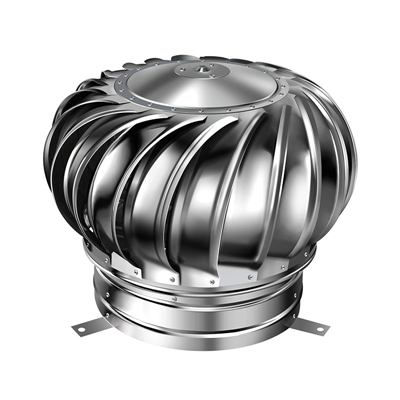
If you’re interested in purchasing ventilation fans for your place, I’d love to have a chat with you. Our team can help you figure out the best type and size of fan for your specific situation. We offer a wide range of high – quality ventilation fans that are both effective and energy – efficient. So, don’t hesitate to reach out for a friendly chat and a great deal on ventilation fans!
Corrosion-resistant Fan References
- ASHRAE Handbook – HVAC Systems and Equipment.
- Energy.gov’s guides on home ventilation.
- Consumer Reports articles on ventilation fans.
Nantong Nanyang Fan Manufacturing Co., Ltd.
As one of the leading ventilation fan manufacturers and suppliers in China, we also support customized service with low price. Please feel free to buy discount ventilation fan made in China here from our factory. For quotation, contact us now.
Address: North End of Jiuwei Port Bridge, Nantong City, Jiangsu Province
E-mail: nyfji@126.com
WebSite: https://www.nanyangfan.com/
