Hey there! I’m running a business that supplies auxiliary equipment. And today, I wanna chat about how auxiliary equipment can contribute to the innovation of a production process. Auxiliary Equipment
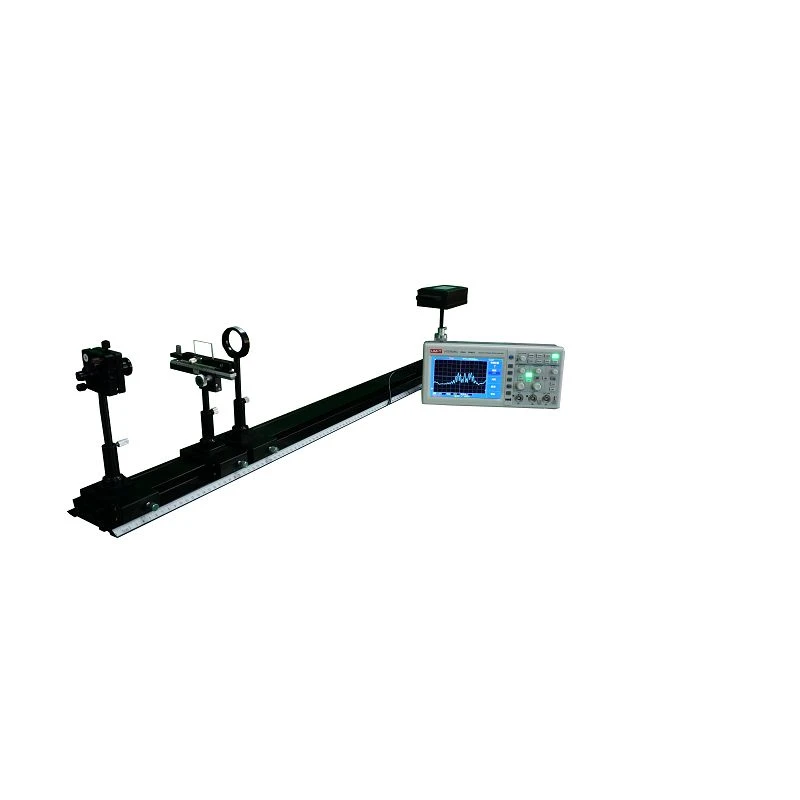
First off, let me explain what auxiliary equipment is. It’s basically all the stuff that supports the main production machinery. Think of things like conveyors, mixers, pumps, and control systems. These may not be the stars of the show, but they’re the unsung heroes that make the whole production process work smoothly and, more importantly, help drive innovation.
One key way auxiliary equipment fuels innovation is by improving efficiency. In a production line, time is money. If you can speed up the process, you’re gonna save a ton of cash and be able to produce more in less time. Take conveyors for example. A high – tech conveyor system can move products around the factory floor much faster and more precisely than manual labor. It can also be programmed to sort products based on different criteria, like size or quality. This not only cuts down on production time but also reduces the chances of human error.
Let me give you a real – world example. I had a client who was in the food packaging business. They were using an old – fashioned conveyor that was slow and unreliable. Products would often get stuck or fall off the conveyor, which led to a lot of wasted time and materials. We installed a new, state – of – the – art conveyor system for them. This conveyor had sensors that could detect the position and size of each product, and it could adjust the speed and direction accordingly. As a result, their production speed increased by 30%, and the waste rate dropped by 20%. That’s a huge improvement, right?
Another aspect where auxiliary equipment helps with innovation is in quality control. In today’s market, customers expect high – quality products, and if you can’t meet those expectations, you’re gonna lose out to the competition. Auxiliary equipment can play a big role in ensuring product quality. For instance, control systems can monitor and adjust various production parameters in real – time. They can keep track of things like temperature, pressure, and humidity, and make sure they stay within the optimal range.
I remember a client in the pharmaceutical industry. They were having issues with the consistency of their tablets. The tablets were coming out with different weights and hardness levels, which was a major problem for them. We provided them with a sophisticated control system that monitored the entire tablet – making process. The system could detect any deviations from the set standards and automatically adjust the machinery to correct them. After installing the system, their product quality improved significantly, and they were able to meet the strict regulatory requirements with ease.
Auxiliary equipment also enables flexibility in the production process. In the modern business world, things change quickly. You need to be able to adapt to new customer demands, market trends, and product designs. Auxiliary equipment can help you do that. For example, modular auxiliary equipment can be easily reconfigured or expanded. If you decide to add a new product line to your production, you can simply add or modify the relevant auxiliary equipment instead of having to replace the entire production line.
There’s this client who was in the furniture manufacturing business. They wanted to start producing a new type of chair that had a different design and materials. Instead of investing in a whole new production line, we helped them reconfigure their existing auxiliary equipment. We added some new cutting and shaping tools, and adjusted the control system to accommodate the new specifications. This way, they were able to start producing the new chairs without spending a fortune on new equipment, and they could quickly respond to the changing market demands.
In addition to the above, auxiliary equipment can contribute to innovation through energy efficiency. As energy costs continue to rise and environmental concerns become more prominent, companies are looking for ways to reduce their energy consumption. Many modern auxiliary equipment are designed with energy – saving features. For example, some pumps use variable – speed drives, which can adjust the speed of the pump based on the actual demand. This means that the pump doesn’t have to run at full speed all the time, saving a lot of energy.
I worked with a client in the chemical industry. Their old pumps were consuming a large amount of energy, and it was really hitting their bottom line. We replaced their old pumps with energy – efficient ones that had variable – speed drives. As a result, they were able to reduce their energy consumption by 40% in the pumping process. This not only saved them money but also made their production process more environmentally friendly.
Now, let’s talk about how the integration of auxiliary equipment with other technologies can lead to even more innovation. With the advent of the Internet of Things (IoT) and Industry 4.0, auxiliary equipment can be connected to a network and share data with other parts of the production process. This allows for better monitoring, analysis, and decision – making.
For example, sensors on the auxiliary equipment can collect data on things like machine performance, temperature, and vibration. This data can then be sent to a central system for analysis. Machine learning algorithms can be used to identify patterns and predict potential problems before they occur. This is called predictive maintenance, and it can save a lot of money by reducing unplanned downtime.
I had a client in the automotive industry. We installed IoT – enabled sensors on their auxiliary equipment, such as mixers and conveyors. The sensors collected data on the equipment’s performance and sent it to a cloud – based system. Using machine learning, we were able to predict when a particular piece of equipment was likely to fail. The client could then schedule maintenance in advance, avoiding costly production stoppages.
As you can see, auxiliary equipment is super important for the innovation of a production process. It can improve efficiency, enhance quality control, increase flexibility, save energy, and be integrated with advanced technologies.
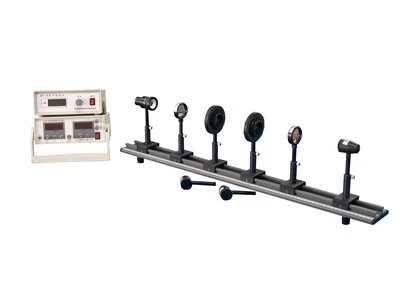
If you’re looking to innovate your production process, don’t overlook the power of auxiliary equipment. Whether you’re a small – scale manufacturer or a large – scale industrial giant, the right auxiliary equipment can make a huge difference. So, if you’re interested in exploring how our auxiliary equipment can help your business, feel free to reach out. Let’s have a chat and see how we can work together to take your production process to the next level.
Optical Instruments References
- "Lean Manufacturing: Tools and Techniques" by James P. Womack and Daniel T. Jones.
- "Industry 4.0: The Future of Productivity and Growth in Manufacturing Industries" by McKinsey Global Institute.
- "Energy – Efficient Technologies for Industrial Processes" by International Energy Agency.
Nanjing Longbow Scientific&Educational Instrument Co., Ltd.
As one of the most professional auxiliary equipment manufacturers and suppliers in China, we’re featured by quality products and good service. Please rest assured to buy customized auxiliary equipment from our factory. If you have any enquiry about pricelist, please feel free to email us.
Address: Room D, 22th floor, No.305, North Jiangdong Road, Nanjing,Jiangsu Province, China
E-mail: 79425380@qq.com
WebSite: https://www.lb-physics.com/
