As a supplier of Wedge Wire Filter Screens, I often encounter customers who are confused about the differences between rigid and flexible wedge wire filter screens. In this blog post, I will share my insights based on years of experience in the industry to help you understand these two types of filter screens better. Wedge Wire Filter Screen
Basic Structure and Manufacturing Process
Rigid Wedge Wire Filter Screens
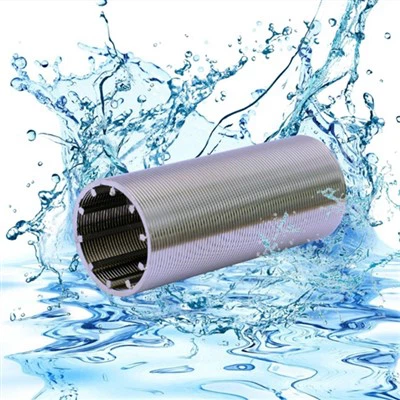
Rigid wedge wire filter screens are known for their robust and unyielding structure. They are typically constructed by winding V-shaped wires around support rods at regular intervals and then welding the intersections. This process creates a strong and stable framework that can withstand high pressure and mechanical stress.
The V-shaped wires, also known as profile wires, are carefully selected for their corrosion – resistance and durability. The support rods, usually placed perpendicular to the profile wires, provide additional strength and stability to the whole structure. This type of manufacturing ensures that the rigid screens maintain their shape even under extreme operating conditions.
Flexible Wedge Wire Filter Screens
In contrast, flexible wedge wire filter screens have a more adaptable design. They are also made from V – shaped profile wires and support rods, but the manufacturing process allows for a greater degree of flexibility. The wires are wound and connected in a way that enables the screen to bend and conform to different shapes.
The flexibility is achieved by using thinner wires and adjusting the winding pattern and welding techniques. This makes them ideal for applications where a non – standard shape or a curved surface is required.
Physical Properties
Rigidity and Flexibility
The most obvious difference between the two is their physical rigidity. Rigid wedge wire filter screens are, as the name suggests, stiff and do not bend easily. They are designed to maintain a fixed shape and size, which is crucial in applications where precise dimensions are needed.
On the other hand, flexible wedge wire filter screens can be bent, curved, or wrapped around various objects. This property allows them to be used in complex filtration systems or irregularly shaped containers.
Strength and Durability
Rigid screens are generally stronger and more durable. Their solid construction makes them resistant to deformation, abrasion, and corrosion. They can withstand high – pressure filtration processes and long – term use in harsh environments.
Flexible screens, while also durable, may not be as strong as their rigid counterparts. The thinner wires and more adaptable structure make them more susceptible to damage from excessive force or sharp objects. However, they are still suitable for many applications with lower mechanical stress requirements.
Filtration Performance
Filtration Accuracy
Both rigid and flexible wedge wire filter screens can provide high – precision filtration. The V – shaped profile of the wires creates a narrow and uniform opening, which allows for accurate particle sizing.
Rigid screens often offer better filtration accuracy in applications where consistent performance is required. Their stable structure ensures that the gap between the wires remains constant over time, resulting in consistent filtration efficiency.
Flexible screens can also achieve good filtration accuracy, but their flexibility may cause slight variations in the wire gaps when bent or deformed. However, with proper design and installation, these variations can be minimized.
Flow Rate
The flow rate of a filter screen depends on several factors, including the open area ratio and the fluid viscosity. Rigid wedge wire filter screens usually have a relatively high open area ratio, which allows for a higher flow rate of fluids. Their stable structure does not impede the flow, making them suitable for applications where large volumes of fluid need to be filtered quickly.
Flexible screens may have a slightly lower flow rate due to their more complex structure and the potential for the wires to shift slightly when fluid passes through. However, in many cases, the difference in flow rate is negligible, especially when the screen is installed correctly.
Application Scenarios
Rigid Wedge Wire Filter Screens
Rigid wedge wire filter screens are widely used in industrial applications that require high – strength and stable filtration. In the mining industry, for example, they are used in dewatering screens to separate solids from liquids under high pressure. They are also used in water treatment plants for backwashing filters, where they can withstand the force of the backwash water without deforming.
In the food and beverage industry, rigid screens are used for precise particle separation in processes such as milk filtration and wine clarification. Their corrosion – resistant materials ensure that they meet the strict hygiene requirements of these industries.
Flexible Wedge Wire Filter Screens
Flexible screens are more commonly used in applications where a custom – shaped filter is needed. In the oil and gas industry, they can be wrapped around well casings to prevent sand and other particles from entering the wellbore. Their flexibility allows them to fit snugly around the curved surface of the casing.
In the environmental protection field, flexible screens are used in stormwater management systems. They can be easily installed in trenches or other non – standard structures to filter out debris and pollutants from runoff water.
Cost Considerations
Manufacturing Cost
The manufacturing cost of rigid wedge wire filter screens is generally higher than that of flexible screens. The more complex welding process and the use of thicker wires and larger support rods contribute to the higher cost. However, the long – term durability and performance of rigid screens may justify the higher initial investment.
Flexible screens are less expensive to manufacture due to the use of thinner wires and a simpler manufacturing process. This makes them a more cost – effective option for applications with lower mechanical stress requirements.
Maintenance Cost
Rigid screens usually have a lower maintenance cost over their lifespan. Their strong structure is less likely to be damaged, reducing the need for frequent replacements. In addition, their regular shape and stable structure make them easier to clean and maintain.
Flexible screens may require more attention to maintenance. The possibility of wire displacement or damage due to bending and deformation needs to be monitored regularly. However, if properly maintained, they can also provide a long – service life.
Conclusion
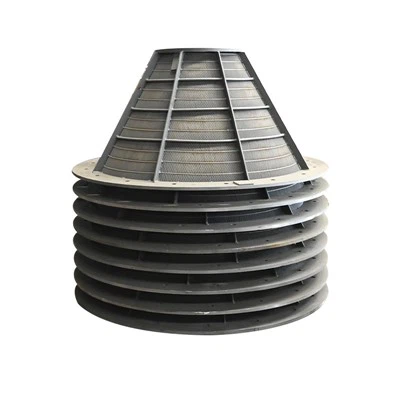
In summary, the differences between rigid and flexible wedge wire filter screens lie in their physical properties, filtration performance, application scenarios, and cost. Rigid screens are better suited for applications that demand high strength, stable structure, and consistent filtration accuracy. On the other hand, flexible screens are ideal for applications where a custom – shaped filter is required and lower mechanical stress is involved.
Sintered Metal Powder Filter As a supplier, I understand that each customer has unique requirements. Whether you need a rigid wedge wire filter screen for large – scale industrial filtration or a flexible one for a specialized application, I can provide you with high – quality products and professional solutions. If you are interested in purchasing wedge wire filter screens or have any questions about our products, please feel free to contact me to discuss your specific needs.
References
- ASM Handbook Volume 6: Welding, Brazing, and Soldering.
- Perry’s Chemical Engineers’ Handbook.
Henan Easy Filter Equipment Co., Ltd.
As one of the leading wedge wire filter screen manufacturers and suppliers in China, we offer a wide range of products with superior quality. Please rest assured to buy advanced wedge wire filter screen from our factory. We also accept customized orders.
Address: Apartment No.1, Building No.2, Zhengshang Jinyushijia, Xinzhong Street, Xinxiang, Henan, China.
E-mail: vivian@easyfiltertech.com
WebSite: https://www.easyfilter-china.com/
