Maltodextrin, a widely used food additive, has gained significant attention in the food industry. As a maltodextrin supplier, I often get asked about how it compares to other sweeteners. In this blog, I’ll delve into the characteristics of maltodextrin and contrast it with various other sweeteners, highlighting its unique advantages and applications. Maltodextrin
What is Maltodextrin?
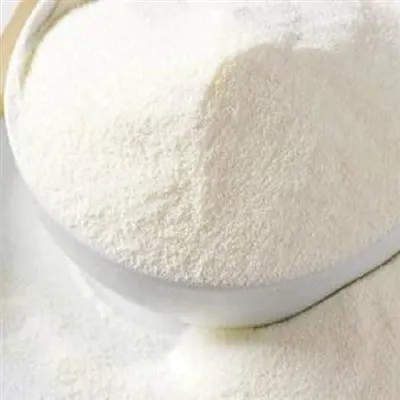
Maltodextrin is a polysaccharide that is produced from starch. It is typically derived from corn, rice, potato starch, or wheat. Through a process of hydrolysis, the starch is broken down into shorter chains of glucose molecules. Maltodextrin is a white, odorless powder that is easily soluble in water. It has a mild, sweet taste, but its sweetness is much lower compared to table sugar.
One of the key features of maltodextrin is its high glycemic index (GI). The GI is a measure of how quickly a carbohydrate-containing food raises blood sugar levels. Maltodextrin has a GI of around 100, which is similar to glucose. This means that it is rapidly digested and absorbed by the body, providing a quick source of energy.
Comparison with Table Sugar (Sucrose)
Table sugar, or sucrose, is a disaccharide composed of glucose and fructose. It is one of the most commonly used sweeteners in the world. When comparing maltodextrin to table sugar, several differences become apparent.
Sweetness: Table sugar is much sweeter than maltodextrin. Sucrose has a sweetness intensity that is considered the standard (100), while maltodextrin has a sweetness intensity of only about 20 – 30. This means that you would need to use more maltodextrin to achieve the same level of sweetness as table sugar.
Nutritional Value: From a nutritional perspective, both maltodextrin and table sugar are sources of carbohydrates. However, maltodextrin is a complex carbohydrate, while table sugar is a simple carbohydrate. Complex carbohydrates are digested more slowly and provide a more sustained release of energy, while simple carbohydrates are quickly digested and can cause a rapid spike in blood sugar levels.
Caloric Content: Both maltodextrin and table sugar provide approximately 4 calories per gram. However, because maltodextrin is less sweet, you may end up using more of it in a recipe, which could potentially increase the calorie content.
Applications: Table sugar is often used in baking, beverages, and confectionery to provide sweetness and texture. Maltodextrin, on the other hand, is commonly used as a filler, thickener, and stabilizer in a wide range of food products. It is also used in sports drinks and energy bars to provide a quick source of energy.
Comparison with High – Fructose Corn Syrup (HFCS)
High – fructose corn syrup is a sweetener made from corn starch. It is composed of varying amounts of glucose and fructose, typically around 42% – 55% fructose.
Sweetness: HFCS is sweeter than maltodextrin. The sweetness of HFCS is similar to that of table sugar, and it is often used as a substitute for sucrose in many food and beverage products.
Metabolic Effects: Fructose, which is a major component of HFCS, is metabolized differently than glucose. Fructose is primarily metabolized in the liver, and excessive consumption of fructose has been linked to various health issues, such as obesity, insulin resistance, and fatty liver disease. Maltodextrin, being composed mainly of glucose, is metabolized more like other complex carbohydrates and does not have the same negative metabolic effects associated with high fructose intake.
Stability and Functionality: HFCS has good solubility and stability, which makes it suitable for use in many processed foods and beverages. Maltodextrin also has good solubility and can be used as a stabilizer and thickener. However, maltodextrin may have better film – forming properties, which can be useful in applications such as encapsulation of flavors and nutrients.
Comparison with Artificial Sweeteners
Artificial sweeteners, such as aspartame, sucralose, and saccharin, are synthetic compounds that are much sweeter than natural sweeteners.
Sweetness: Artificial sweeteners are extremely sweet. For example, aspartame is about 180 – 220 times sweeter than sucrose, and sucralose is about 400 – 800 times sweeter. In contrast, maltodextrin has a relatively low sweetness level.
Caloric Content: Artificial sweeteners are virtually calorie – free, while maltodextrin provides 4 calories per gram. This makes artificial sweeteners an attractive option for people who are trying to reduce their calorie intake.
Health Concerns: There has been some controversy surrounding the safety of artificial sweeteners. Although they have been approved by regulatory agencies such as the FDA, some studies have raised concerns about potential health risks, such as an increased risk of cancer and metabolic disorders. Maltodextrin, being a natural carbohydrate, is generally considered safe for consumption.
Applications: Artificial sweeteners are commonly used in diet beverages, sugar – free products, and low – calorie foods. Maltodextrin, on the other hand, is used in a wider range of applications, including sports nutrition, infant formulas, and processed foods.
Comparison with Natural Sweeteners
Natural sweeteners, such as honey, maple syrup, and agave nectar, are derived from natural sources.
Sweetness: Natural sweeteners vary in their sweetness levels. Honey is sweeter than maltodextrin, with a sweetness intensity similar to that of table sugar. Maple syrup and agave nectar also have a relatively high sweetness level.
Nutritional Value: Natural sweeteners often contain additional nutrients such as vitamins, minerals, and antioxidants. For example, honey contains small amounts of vitamins B6, thiamin, niacin, riboflavin, and minerals like calcium, iron, and zinc. Maltodextrin, on the other hand, is mainly a source of carbohydrates and does not contain significant amounts of other nutrients.
Flavor Profile: Natural sweeteners have distinct flavor profiles. Honey has a rich, floral flavor, while maple syrup has a characteristic maple taste. Maltodextrin has a mild, neutral flavor, which makes it suitable for use in a wide range of products without altering the overall flavor significantly.
Applications: Natural sweeteners are often used in baking, beverages, and as a topping for foods. Maltodextrin can be used in similar applications, but it is also used in industrial food processing for its functional properties.
Advantages of Maltodextrin
- Quick Energy Source: As mentioned earlier, maltodextrin has a high glycemic index, which means it can provide a rapid source of energy. This makes it an ideal ingredient for sports drinks, energy bars, and other products targeted at athletes and active individuals.
- Good Solubility: Maltodextrin is highly soluble in water, which makes it easy to incorporate into a variety of food and beverage products. It can be used to improve the texture and mouthfeel of products, as well as to enhance the stability of emulsions and suspensions.
- Versatility: Maltodextrin can be used in a wide range of applications, from food and beverage products to pharmaceuticals and cosmetics. It can act as a filler, thickener, stabilizer, and carrier for flavors and nutrients.
- Low Cost: Compared to some other sweeteners, maltodextrin is relatively inexpensive. This makes it an attractive option for food manufacturers looking to reduce costs without sacrificing quality.
Conclusion
In conclusion, maltodextrin offers a unique set of properties that make it a valuable ingredient in the food industry. While it may not be as sweet as some other sweeteners, its quick energy – providing ability, good solubility, and versatility make it a popular choice for a wide range of applications. Whether you are a food manufacturer looking for a cost – effective ingredient or an athlete in need of a quick energy boost, maltodextrin can be a great option.
Citric Acid Anhydrous If you are interested in learning more about maltodextrin or are considering using it in your products, I encourage you to reach out to discuss your specific needs. We can provide you with samples, technical support, and competitive pricing. Let’s start a conversation about how maltodextrin can enhance your products.
References
- American Chemical Society. "Maltodextrin: A Versatile Carbohydrate."
- Food and Agriculture Organization of the United Nations. "Nutritional Aspects of Maltodextrin."
- Journal of Food Science. "Comparative Study of Sweeteners in Food Applications."
Fudijia (Tianjin) Supply Chain Co., Ltd.
With abundant experience, we re one of the most professional maltodextrin manufacturers and suppliers in China. We warmly welcome you to wholesale bulk high quality maltodextrin made in China here from our factory. For more information, contact us now.
Address: 301-2-1C,Jin Bin Jie Zuo,No.98, Huanghai Road,TEDA, Tianjin, China
E-mail: foodchem@hjlfoods.com
WebSite: https://www.ifoodchem.com/
