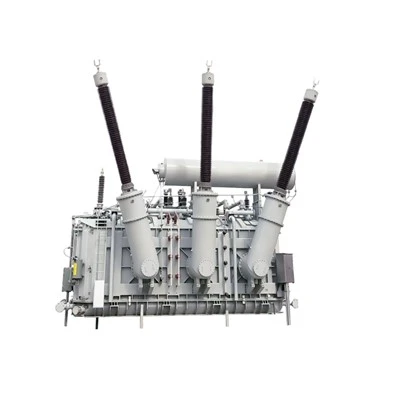
As a supplier of dry-type transformers, I’ve witnessed firsthand the critical role these devices play in ensuring a stable power supply. However, one common issue that often troubles users is the over-temperature problem of dry-type transformers. In this blog, I’ll share some insights on how to deal with this issue based on my years of experience in the industry. Dry-type Transformer
Understanding the Causes of Over – Temperature
Before we can address the over – temperature problem, it’s essential to understand what causes it. There are several factors that can lead to a dry – type transformer overheating.
High Load
One of the most common causes is high load. When the transformer is operating beyond its rated capacity, it generates more heat than it can dissipate. This can happen during peak usage periods, such as in industrial settings during production runs or in commercial buildings during hot summer days when air – conditioning systems are running at full capacity.
Poor Ventilation
Another significant factor is poor ventilation. Dry – type transformers rely on air circulation to dissipate heat. If the installation environment restricts air movement, the heat will accumulate inside the transformer, leading to over – temperature. For example, if the transformer is installed in a confined space or if the ventilation ducts are blocked, the cooling efficiency will be severely affected.
Insulation Degradation
Over time, the insulation materials in the transformer can degrade due to factors such as aging, moisture, and electrical stress. When the insulation breaks down, it can cause increased resistance, which in turn generates more heat. This is a serious issue as it not only affects the performance of the transformer but also poses a safety risk.
Faulty Cooling System
The cooling system plays a crucial role in maintaining the temperature of the transformer. If the fans or other cooling components are not functioning properly, the heat removal process will be disrupted, resulting in over – temperature. This can be due to mechanical failures, electrical problems, or lack of maintenance.
Monitoring and Early Detection
To effectively deal with the over – temperature problem, early detection is key. Regular monitoring of the transformer’s temperature can help identify potential issues before they escalate.
Temperature Sensors
Most modern dry – type transformers are equipped with temperature sensors. These sensors can provide real – time temperature readings, allowing operators to keep a close eye on the transformer’s thermal condition. By setting up alarm thresholds, operators can be notified immediately when the temperature exceeds a safe level.
Infrared Thermography
Infrared thermography is a non – invasive method for detecting over – heating components in the transformer. By using an infrared camera, technicians can scan the surface of the transformer and identify hot spots. This technique is particularly useful for detecting hidden problems, such as internal短路 or faulty connections.
Visual Inspection
Regular visual inspections of the transformer are also essential. Look for signs of over – heating, such as discoloration of the insulation, melting of the plastic parts, or the presence of smoke or odors. Any abnormalities should be investigated immediately.
Strategies to Deal with Over – Temperature
Once the over – temperature problem is detected, there are several strategies that can be employed to address it.
Load Management
If the over – temperature is caused by high load, load management is the first step. This can involve redistributing the load across multiple transformers or reducing the non – essential loads. For example, in an industrial plant, the operation of some less critical equipment can be delayed or suspended during peak periods.
Improving Ventilation
To enhance ventilation, ensure that the installation environment meets the requirements of the transformer. Remove any obstacles around the transformer and make sure the ventilation ducts are clean and unblocked. Additionally, installing additional fans or ventilation systems can improve the air circulation and enhance the cooling efficiency.
Insulation Maintenance and Replacement
Regular maintenance of the insulation is crucial. This includes checking for signs of degradation, ensuring proper moisture control, and performing insulation resistance tests. If the insulation is severely degraded, it may need to be replaced to prevent further heat generation and potential safety hazards.
Cooling System Repair and Upgrade
If the cooling system is faulty, it should be repaired or upgraded immediately. This may involve replacing malfunctioning fans, motors, or other components. In some cases, upgrading to a more efficient cooling system can significantly improve the transformer’s thermal performance.
Preventive Measures
Preventing the over – temperature problem is always better than dealing with it after it occurs. Here are some preventive measures that can be taken.
Proper Sizing and Selection
When selecting a dry – type transformer, it’s essential to choose the right size based on the actual load requirements. Oversizing or under – sizing the transformer can lead to inefficiencies and potential over – temperature issues. Consider factors such as future load growth and peak demand when making the selection.
Regular Maintenance
Regular maintenance is the key to preventing many problems, including over – temperature. This includes tasks such as cleaning the transformer, checking the electrical connections, lubricating the moving parts, and testing the insulation. By following a strict maintenance schedule, potential issues can be identified and addressed before they cause serious problems.
Training and Education
Ensure that the operators and maintenance personnel are properly trained in the operation and maintenance of dry – type transformers. They should be familiar with the normal operating parameters, safety procedures, and troubleshooting techniques. This can help minimize the occurrence of human – error – related problems.
Conclusion

The over – temperature problem of dry – type transformers is a serious issue that can affect the performance and reliability of the power supply system. By understanding the causes, implementing effective monitoring and early detection methods, adopting appropriate strategies to deal with the problem, and taking preventive measures, we can ensure the safe and efficient operation of dry – type transformers.
Intergrated Energy Storage System If you are facing issues with your dry – type transformers or are considering purchasing new ones, I’m here to help. With my years of experience in the industry, I can provide you with professional advice and high – quality dry – type transformers that meet your specific requirements. Feel free to contact me to discuss your purchasing needs and start a fruitful cooperation.
References
- "Dry – Type Transformer Handbook" – A comprehensive guide on the design, operation, and maintenance of dry – type transformers.
- Industry standards and regulations related to dry – type transformers, which provide guidelines on temperature control and safety requirements.
Ruibian (Jiangsu) Electric Power Co., Ltd.
Ruibian (Jiangsu) Electric Power Co., Ltd. is one of the most professional dry-type transformer manufacturers and suppliers in China, featured by quality products and good price. Please rest assured to buy durable dry-type transformer in stock here from our factory. Contact us for pricelist.
Address: No.89 Changjiang West Road, Haian City, Jiangsu Province, China
E-mail: business@ruibianjiangsu.cn
WebSite: https://www.ruibianpower.com/
