In the realm of manufacturing, servo presses have emerged as a cornerstone technology, offering unparalleled precision, efficiency, and flexibility. As a trusted supplier of servo presses, I’ve witnessed firsthand how these machines revolutionize various production processes. A critical component of any high – performing servo press is its lubrication system. In this blog, I’ll delve into what the lubrication system of a servo press is, its importance, components, and how proper maintenance can enhance the overall performance of the press. Servo Press
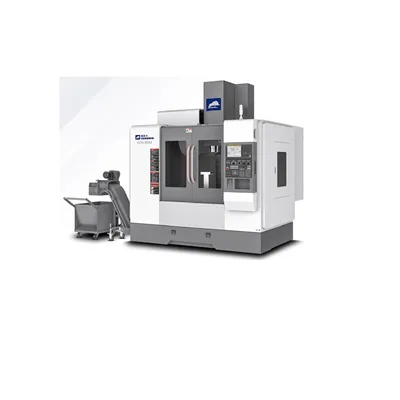
Understanding the Lubrication System in a Servo Press
At its core, the lubrication system of a servo press is designed to reduce friction between moving parts, dissipate heat, prevent wear and tear, and protect the machine from corrosion. In a servo press, which operates under high – pressure and high – speed conditions, the lubrication system plays a crucial role in ensuring smooth and reliable operation.
Friction is the enemy of any mechanical system. When two metal surfaces rub against each other, they create heat and generate wear particles. Over time, this can lead to increased clearance between parts, reduced precision, and ultimately, premature failure of the machine. The lubrication system addresses this issue by introducing a lubricant between the moving parts, creating a thin film that separates the surfaces and allows them to move more freely.
Heat is another significant concern in a servo press. The intense forces and high – speed operations generate a large amount of heat. If not properly managed, this heat can cause thermal expansion of the parts, leading to dimensional inaccuracies and potential damage. The lubricant in the system helps to absorb and transfer this heat away from the critical components, maintaining a stable operating temperature.
Components of the Lubrication System
The lubrication system of a servo press typically consists of several key components:
Lubricant Reservoir
This is the storage tank for the lubricant. It is designed to hold an adequate amount of lubricant to ensure continuous operation of the press. The size of the reservoir depends on the size and operating requirements of the servo press. A larger press with higher operating frequencies may require a larger reservoir to maintain a sufficient supply of lubricant.
Pumps
Pumps are responsible for circulating the lubricant through the system. There are different types of pumps used in servo press lubrication systems, such as gear pumps, piston pumps, and vane pumps. The choice of pump depends on factors like the required flow rate, pressure, and the viscosity of the lubricant. Gear pumps are commonly used due to their simplicity, reliability, and ability to handle a wide range of viscosities.
Filters
Filters are essential for maintaining the cleanliness of the lubricant. They remove contaminants such as dirt, metal particles, and oxidation products from the lubricant. Contaminated lubricant can cause accelerated wear and damage to the moving parts. Filters are usually installed at various points in the lubrication system, including the inlet of the pump and at the points where the lubricant is delivered to the critical components.
Lubrication Points
These are the specific locations within the servo press where the lubricant is applied. In a servo press, the lubrication points may include the slide guides, ball screws, gears, bearings, and other critical moving parts. The lubricant is delivered to these points through a network of pipes and nozzles, ensuring that each part receives an adequate amount of lubrication.
Control Valves
Control valves regulate the flow and pressure of the lubricant within the system. They ensure that the lubricant is delivered at the correct rate and pressure to each lubrication point. Some control valves are adjustable, allowing for fine – tuning of the lubrication system based on the specific operating conditions of the press.
Types of Lubricants Used in Servo Presses
There are several types of lubricants used in servo presses, each with its own characteristics and applications:
Mineral Oils
Mineral oils are derived from crude oil and are one of the most commonly used lubricants in servo presses. They offer good lubrication properties, are relatively inexpensive, and have a wide operating temperature range. However, they may not be suitable for high – performance applications where extreme temperatures or high loads are involved.
Synthetic Oils
Synthetic oils are engineered lubricants that offer superior performance compared to mineral oils. They have better thermal stability, oxidation resistance, and viscosity characteristics. Synthetic oils can withstand higher temperatures and loads, making them ideal for high – speed and high – precision servo presses. They also have a longer service life, reducing the frequency of oil changes.
Greases
Greases are a semi – solid lubricant composed of a base oil and a thickening agent. They are used in applications where a more permanent lubrication is required, such as in bearings and gears. Greases stay in place better than oils and provide continuous lubrication over a longer period. However, they may require more maintenance compared to oils, as they can become contaminated and lose their lubrication properties over time.
Importance of Proper Lubrication System Maintenance
Proper maintenance of the lubrication system is crucial for the long – term performance and reliability of a servo press. Here are some reasons why:
Extended Machine Life
A well – maintained lubrication system ensures that the moving parts of the servo press are properly lubricated, reducing wear and tear. This, in turn, extends the life of the machine, reducing the need for costly repairs and replacements.
Improved Precision
Friction and wear can cause dimensional changes in the moving parts of the press, leading to reduced precision. By maintaining the lubrication system, the press can operate within the specified tolerances, ensuring high – quality products.
Enhanced Efficiency
Proper lubrication reduces the energy consumption of the servo press. With less friction between the moving parts, the machine requires less power to operate, resulting in cost savings and improved overall efficiency.
Reduced Downtime
Regular maintenance of the lubrication system helps to identify and address potential issues before they cause a breakdown. This reduces unplanned downtime, allowing for continuous production and increased productivity.
Maintenance Tips for the Lubrication System
To keep the lubrication system of a servo press in optimal condition, the following maintenance tips should be followed:
Regular Oil Analysis
Perform regular oil analysis to monitor the condition of the lubricant. This includes checking for viscosity, contamination, and wear particles. Based on the results of the oil analysis, the lubricant can be changed or filtered as needed.
Filter Replacement
Replace the filters at the recommended intervals. Clogged filters can restrict the flow of lubricant, leading to inadequate lubrication and potential damage to the machine.
Lubricant Level Checks
Regularly check the lubricant level in the reservoir. Low lubricant levels can cause insufficient lubrication, while overfilling can lead to leaks and other problems.
Inspection of Lubrication Points
Inspect the lubrication points for signs of wear, damage, or contamination. Make sure that the lubricant is being delivered to all the critical components as intended.
Why Choose Our Servo Presses and Their Lubrication Systems
As a leading servo press supplier, we take pride in offering high – quality machines with advanced lubrication systems. Our servo presses are engineered to meet the most demanding production requirements, with a focus on precision, reliability, and efficiency.

Our lubrication systems are designed with state – of – the – art technology to ensure optimal performance. We use high – quality lubricants and components, and our systems are rigorously tested to meet the highest standards. Our team of experts is always available to provide technical support and maintenance services, ensuring that your servo press operates flawlessly.
Hydraulic Press If you’re in the market for a servo press or looking to upgrade your existing equipment, we invite you to contact us for a consultation. Our sales team will be happy to discuss your specific needs, provide detailed information about our products, and answer any questions you may have. We believe that our servo presses and their lubrication systems can make a significant difference in your production process, improving quality, productivity, and profitability.
References
- "Fundamentals of Machine Design", by R. K. Bansal.
- "Mechanical Engineering Handbook", edited by Myer Kutz.
- Technical documents from leading servo press manufacturers.
Ningbo Goanwin Machinery Manufacturing Co., Ltd.
Ningbo Goanwin Machinery Manufacturing Co., Ltd. is well-known as one of the leading servo press manufacturers and suppliers in China. Please feel free to buy high quality servo press from our factory. For more information, contact us now.
Address: No.318 Guangming Road, Guangming Industrial Zone, Zhenhai District, Ningbo, China
E-mail: ivy@goanwin.com
WebSite: https://www.goanwin.com/
