Hey there! As a supplier of RO water systems, I get asked a ton about the ideal TDS (Total Dissolved Solids) level for RO water. So, I thought I’d sit down and write this blog to share what I’ve learned over the years. RO Water System
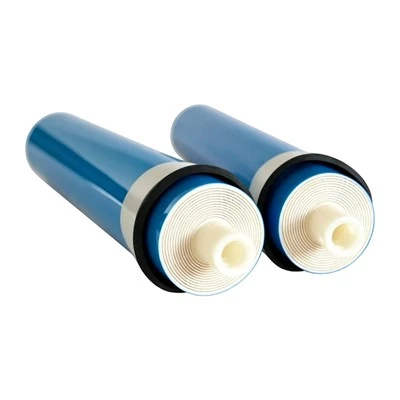
Let’s start with the basics. TDS is basically the measure of all the combined content of inorganic and organic substances present in a liquid in molecular, ionized, or micro-granular (colloidal sol) suspended form. In simple terms, it tells you how much "stuff" is dissolved in the water.
Now, when it comes to RO water, which is water that’s been filtered through a Reverse Osmosis system, the TDS level can vary quite a bit. RO systems are designed to remove a high percentage of dissolved solids from the water. Usually, they can get rid of anywhere from 90% to 99% of the TDS in the source water.
But what is the ideal TDS level? Well, it really depends on what you’re going to use the water for.
Drinking Water
For drinking water, a lot of people think that the lower the TDS, the better. And there’s some truth to that. Water with a very low TDS (let’s say below 50 ppm – parts per million) is super pure. It tastes clean and fresh, and it’s free from most of the contaminants that can be harmful to your health.
But here’s the thing. Our bodies actually need some minerals. Water with extremely low TDS might not provide us with the necessary minerals like calcium, magnesium, and potassium. So, an ideal TDS level for drinking water is often considered to be in the range of 50 – 150 ppm. This range gives you water that’s pure enough to be safe, but still has a bit of those beneficial minerals.
I remember a customer who came to me complaining that the RO water they were getting tasted "flat." When we tested the water, the TDS was below 20 ppm. We adjusted the system a bit to let in a tiny bit more of the source water, and the TDS went up to around 80 ppm. The customer was really happy with the new taste – it was still clean, but it had a bit more "body."
Cooking
When it comes to cooking, the ideal TDS level is also in that 50 – 150 ppm range. Using water with a proper TDS level can make a big difference in how your food turns out. For example, if you’re making pasta, water with the right amount of dissolved solids can help the pasta cook evenly and give it a better texture.
I had a chef come to me once, looking for an RO system for his restaurant. He was having trouble with his soups and gravies – they just didn’t have that rich, full flavor. After we installed an RO system and adjusted it to keep the TDS around 100 ppm, he said the difference was amazing. The soups were more flavorful, and the gravies had a better consistency.
Aquariums
If you’re an aquarium hobbyist, the TDS level of the water you use is crucial. Different types of fish and aquatic plants have different requirements. For most freshwater tropical fish, a TDS level of 100 – 300 ppm is usually ideal. This range mimics the natural environment of these fish and helps them stay healthy.
I’ve sold RO systems to a lot of aquarium enthusiasts. One guy was having problems with his fish getting sick all the time. When we checked the TDS of the water he was using, it was way too high. After installing an RO system and adjusting the TDS to the right level, his fish started looking much better, and they weren’t getting sick as often.
How to Measure and Adjust TDS
Measuring the TDS of water is pretty easy. You can buy a TDS meter, which is a small, handheld device. Just dip it into the water, and it’ll give you a reading in ppm.
If you find that the TDS of your RO water is either too high or too low, there are a few ways to adjust it. If the TDS is too high, it could mean that your RO membrane is old or damaged and needs to be replaced. You can also check the pre – filters in your system – if they’re clogged, they might not be doing their job properly, and that can lead to higher TDS.
On the other hand, if the TDS is too low, you can add a remineralization filter to your RO system. This filter adds back some of the beneficial minerals to the water.
Why Choose Our RO Water Systems
At our company, we understand that getting the ideal TDS level is important to you. That’s why our RO water systems are top – quality. They’re designed to be highly efficient at removing dissolved solids, but they also give you the flexibility to adjust the TDS level according to your needs.
We’ve got a wide range of systems, from small domestic ones for your home to large commercial ones for businesses like restaurants and hotels. Our technicians are well – trained, and they can help you install and adjust your system to get the perfect TDS level for whatever you’re using the water for.

So, if you’re in the market for an RO water system, don’t hesitate to reach out. Whether you’re a homeowner looking for clean drinking water, a chef wanting to improve the quality of your cooking, or an aquarium enthusiast taking care of your fish, we’ve got the solution for you.
Large Capacity EDI Module In conclusion, the ideal TDS level for RO water depends on its use. But with our RO water systems, you can easily achieve that perfect balance. Contact us today to learn more about how we can help you get the best – quality RO water with the right TDS level.
References
- "The Water Quality Association Handbook" – This book has a lot of in – depth information about TDS and water treatment.
- Scientific studies from the American Water Works Association on the relationship between TDS and water quality for different applications.
Fujian Huamo Technology Co., Ltd.
Fujian Huamo Technology Co., Ltd. is one of the most professional ro water system manufacturers and suppliers in China, featured by quality products and good service. Please rest assured to wholesale the best ro water system made in China here and get price list from our factory. Contact us for custom service and OEM service.
Address: No.6 Hengtong Rd, Shanmei Village, Xiamei Town, Nanan City, Fujian Province, China
E-mail: info@huaromembrane.com
WebSite: https://www.hmromembrane.com/
