In the manufacturing industry, complex parts play a crucial role in various applications, from automotive engines to aerospace components. One of the most significant challenges faced by these parts is abrasion, which can lead to premature wear, reduced performance, and increased maintenance costs. As a supplier of complex parts, I understand the importance of improving the abrasion resistance of these components. In this blog, I will share some effective strategies and techniques that can help enhance the abrasion resistance of complex parts. Complex Parts
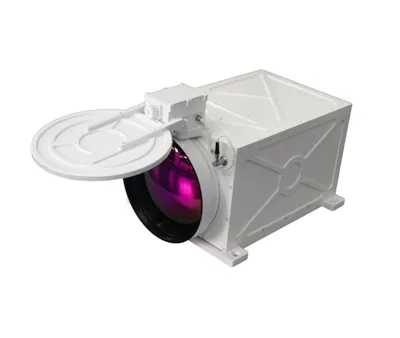
Understanding Abrasion and Its Impact on Complex Parts
Abrasion is the process of wearing away a material’s surface due to friction, contact with other materials, or the action of abrasive particles. In the context of complex parts, abrasion can occur in several ways. For example, in a mechanical system, moving parts may rub against each other, causing surface wear. In environments where there are abrasive particles, such as dust or sand, these particles can scratch and erode the surface of the parts.
The impact of abrasion on complex parts can be severe. It can lead to dimensional changes, which can affect the fit and function of the parts. For instance, in an engine, worn parts may result in reduced compression, increased fuel consumption, and decreased power output. In addition, abrasion can also compromise the structural integrity of the parts, leading to potential failures and safety hazards.
Material Selection
One of the most fundamental ways to improve the abrasion resistance of complex parts is through proper material selection. Different materials have different levels of abrasion resistance, and choosing the right material for a specific application is crucial.
High – Strength Alloys
High – strength alloys, such as stainless steel, titanium alloys, and nickel – based alloys, are often used in applications where abrasion resistance is required. These alloys have excellent mechanical properties, including high hardness and toughness, which make them resistant to wear. For example, stainless steel is widely used in the food and beverage industry due to its corrosion resistance and good abrasion resistance. Titanium alloys are commonly used in aerospace applications because of their high strength – to – weight ratio and excellent abrasion resistance.
Composite Materials
Composite materials, which consist of a matrix material and reinforcement fibers, can also offer high abrasion resistance. For example, carbon fiber – reinforced polymers (CFRPs) have high strength and stiffness, and they can be designed to have good abrasion resistance. The carbon fibers provide the strength, while the polymer matrix protects the fibers and helps distribute the load. In addition, ceramic matrix composites (CMCs) are another type of composite material that can offer excellent abrasion resistance, especially in high – temperature applications.
Surface Treatments
Surface treatments are an effective way to improve the abrasion resistance of complex parts. These treatments can modify the surface properties of the parts, such as hardness, roughness, and lubricity, to enhance their resistance to wear.
Hardening Treatments
Hardening treatments, such as heat treatment and nitriding, can increase the hardness of the surface of the parts. Heat treatment involves heating the parts to a specific temperature and then cooling them at a controlled rate to change their microstructure and increase their hardness. Nitriding is a surface treatment process in which nitrogen is introduced into the surface of the metal to form a hard nitride layer. This layer can significantly improve the abrasion resistance of the parts.
Coating Applications
Coating the surface of the parts with a wear – resistant material is another common method to improve abrasion resistance. There are several types of coatings available, including ceramic coatings, polymer coatings, and diamond – like carbon (DLC) coatings. Ceramic coatings, such as titanium nitride (TiN) and chromium carbide (CrC), have high hardness and good chemical stability, which make them suitable for applications where abrasion and corrosion resistance are required. Polymer coatings can provide a smooth and lubricious surface, reducing friction and wear. DLC coatings have excellent hardness, low friction coefficient, and high chemical inertness, making them ideal for high – performance applications.
Design Optimization
The design of complex parts can also have a significant impact on their abrasion resistance. By optimizing the design, we can reduce the contact stress and friction between the parts, thereby improving their wear resistance.
Geometric Design
The geometric design of the parts can affect the distribution of stress and the contact area between the parts. For example, by using rounded edges and smooth surfaces, we can reduce the stress concentration and the likelihood of abrasion. In addition, the shape of the parts can also be designed to minimize the contact area with other parts, reducing the friction and wear.
Lubrication Design
Lubrication is an important factor in reducing abrasion. By designing the parts to incorporate lubrication channels or reservoirs, we can ensure that the parts are properly lubricated during operation. This can reduce the friction between the parts and prevent direct contact, thereby improving their abrasion resistance.
Quality Control and Testing
Quality control and testing are essential steps in ensuring the abrasion resistance of complex parts. By implementing strict quality control measures, we can ensure that the parts meet the required standards and specifications.
Material Testing
Material testing is an important part of quality control. By testing the mechanical properties, chemical composition, and microstructure of the materials, we can ensure that they have the required abrasion resistance. For example, hardness testing can be used to measure the hardness of the materials, which is an important indicator of their abrasion resistance.
Wear Testing
Wear testing is another important method to evaluate the abrasion resistance of the parts. There are several types of wear tests available, such as pin – on – disk tests, block – on – ring tests, and sand abrasion tests. These tests can simulate the actual wear conditions and provide valuable information about the wear resistance of the parts.
Conclusion
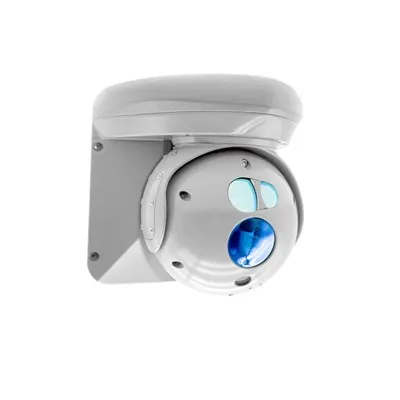
Improving the abrasion resistance of complex parts is a multi – faceted challenge that requires a comprehensive approach. By selecting the right materials, applying appropriate surface treatments, optimizing the design, and implementing strict quality control and testing, we can significantly enhance the abrasion resistance of these parts. As a supplier of complex parts, I am committed to providing high – quality products that meet the needs of our customers. If you are interested in purchasing complex parts with high abrasion resistance, please feel free to contact us for further discussion. We look forward to working with you to find the best solutions for your applications.
References
LWIR Cooled 640 -ASM Handbook Volume 18: Friction, Lubrication, and Wear Technology.
-Schmid, S. R., & Hutchings, I. M. (2004). Tribology: Friction and Wear of Engineering Materials.
-Lancaster, J. K. (1990). Tribology of Polymers.
Xi’an Zhongke Lead Ir-Tech Co., Ltd.
We are one of the most experienced complex parts manufacturers in China, specialized in providing high quality OEM products with the industrial grade. We warmly welcome you to wholesale high performance complex parts at an affordable price from our factory.
Address: Building 8,Hard Technology Enterprise Community No.3000,Biyuan 2nd Rd,High-Tech Zone Xi’an,Shaanxi,China
E-mail: sales@lead-ir.com
WebSite: https://www.leadinfrared.com/
